

Growing Cranberries at the Allotment

Growing Cranberries at the Allotment

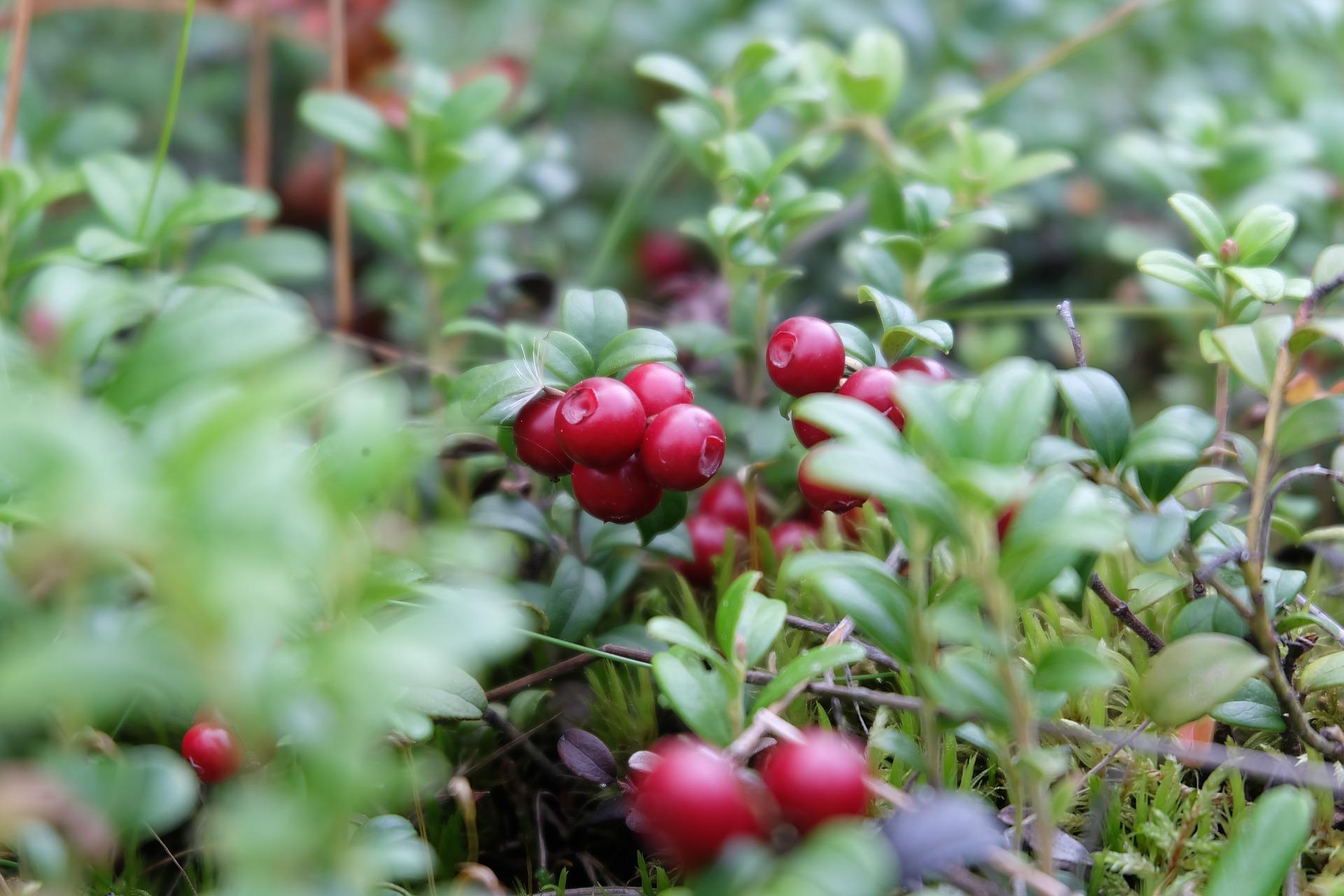
Cranberries are not just for Christmas, they are also used for making lovely juices and healthy snacks throughout the season. While they can be found in the wild, growing cranberries in the UK is also fairly easy. As a superfood, it is rich in vitamin C and antioxidants, helping fight UTIs while supporting digestion, heart health and immunity. 

These are hardy plants and require very minimal maintenance once established. Are you interested in growing cranberries in your allotment? Read our guide to find answers to how to grow cranberries, when to plan and when to pick cranberries.

How to Grow Cranberries

The wild cranberries found in parts of Europe and the UK are often small. If you are planning to grow cranberries commercially, choosing the larger American variety is wise. 

When growing cranberries in the UK, you can consider the following variants:
  • ‘Early Black’- It can grow up to 10ft and produces large, dark red, medium-sweet berries. 
  • ‘Pilgrim’ - It is ideal for growing in containers and produces tart, juicy berries.
  • ‘Stevens’- It can be grown in containers and as ground covers and produces juicy, sweet berries.
  •  ‘Redstar’- It is a low-growing, evergreen shrub and produces white berries that turn red on ripening.
cranberry 4692230_1920
berries 4560704_1920

When to Plant Cranberries

Cranberries tend to be planted from cuttings or young plants rather than seeds and take a few years to become established before producing fruit.

Cranberries can be planted at any time of year, especially if you are using a container-grown variety. However, planting during the dormant season is preferred. After the last frosts in spring, you can plant Cranberry plants out, allowing the roots to establish over summer. You can also plant cranberries during early autumn before the ground freezes. When the weather gets colder, you can either protect soil-grown bushes with mulch or take the containers indoors and keep them in a greenhouse or polytunnel.


Tips for
Growing Cranberries

  • Cranberries need a completely weed-free spot in the soil, dig a hole approximately 6-8 inches deep, removing all weed roots too. Allow a good 2-foot perimeter for this spreading plant to grow.
  • To grow cranberries, you need an acidic, lime-free soil with a pH level of 4.5. 
  • Water well, but not so that it is waterlogged and add some sand, some blood and bone meal and a high-nitrogen fertiliser before planting your Cranberry plant approximately 2 inches deep. Keep the soil moist with regular watering until the plant becomes established, it is also worth mulching to retain moisture.
  • You can also grow Cranberry plants in large containers with a minimum diameter of 15-18 inches, although they will do better in the ground.  After a few years, remove dead wood, do not trim the main fruiting stems or runners to encourage fruit production.
  • They are mostly disease-resistant, but you must protect the fruits from birds. Adding a net can help deter birds and pigeons, especially as fruit ripens.

How to Harvest Cranberries

Cranberries are ready to harvest between September and early November. The first sign of the fruit being ready to harvest is when the berries turn bright red. 

When you can finally harvest berries, pick them before the first frost of autumn. Your plant will require protection over the colder months with fleece or heavy mulch, which can be removed again in spring. You must gently hand-pick the berries from the vine to prevent squashing or destroying them.

Cranberries can be stored in an airtight container and refrigerated for a couple of months, made into juices or chutneys, eaten fresh in salads or dried for a healthy snack.

Growing Cranberries in Summary

Planting Cranberries

  • Best planted directly in good soil conditions
  • Planted from cuttings or young plants
  • Allow room for spreading

Growing Cranberries

  • Keep well-watered until established
  • Mulch well, cut away dead wood
  • Protect from frost and colder weather

Harvesting Cranberries

  • Pick fruits from 3rd year onwards
  • Pick before first frost of autumn
  • Can be eaten fresh, dried or stored for juices and chutneys

Learn More on Allotment Online

Do you want to grow cranberries in your garden? The trailing, evergreen bushes, filled with tart-and-sweet red berries, are the perfect addition to any kitchen garden. Under the right conditions, these berries can grow with very little effort, making them ideal for first-time growers.

Join our Allotment Online community to share your growing stories or seek advice from fellow growers. Sign up and become part of one of the largest grower communities.

Are you looking for tips for growing pears, plums or blueberries? Visit our Grow Your Own page for specific plant-related growing tips.