


October Allotment Jobs
Tips
- Sow over-wintering vegetables
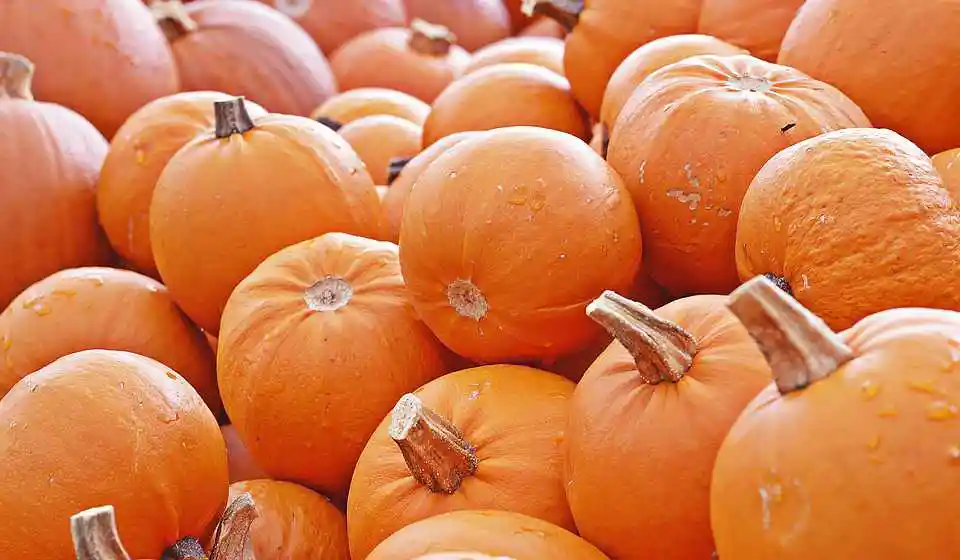
- Harvest pumpkins and squashes
- Dig over the soil
What to grow in October
- Onions
- Garlic
- Peas
- Black Radish
- Hardy Basil
- Broad Beans
- Cauliflower
- Over wintering greens and brassicas
Autumn is here, bringing darker evenings and a noticeable chill in the air. If you’re wondering what vegetables to grow in October, there’s still plenty you can do as the colder months approach. It’s also a good time to check the condition of last year’s fleece, clothes and other winter protection, so you’re prepared for any sudden cold spells.
For most allotment growers, the focus begins to shift from sowing to harvesting. October is the time to gather pumpkins and squashes, maincrop potatoes, carrots and any remaining beans. Green tomatoes may need bringing indoors now to ripen, although you might still be lucky enough to enjoy fresh fruit outdoors if the early autumn remains mild.
What’s Possible in October?
The average October temperature is around 10-11°C and the growing season begins to wind down. With most harvests complete or almost there, allotment work begins to slow. Many growers shift their focus towards general maintenance, such as reorganising the shed or improving water collection systems.
Access to your plot can become more difficult during autumn and winter, particularly if the ground becomes wet or frozen, so it’s worth planning ahead by moving essential tools or materials before conditions worsen. This is also a good time to clear away canes and unused equipment.
October is ideal for pruning certain fruit trees and preparing for the planting of dormant bare-root plants in the coming months. You can also begin improving your soil by digging over vacant beds and adding well-rotted compost or mulch where needed. Clearing weeds and removing any remaining dying foliage will help prevent pests and diseases from lingering over winter. Sowing green manure is another great option, as winter frosts will naturally break down the soil, making it easier to work in spring.
Your compost heap will benefit from a turn at this time of year - adding layers of green and brown waste as you clear your beds to help create rich compost ready for the next growing season.
October is also a great month to clean your greenhouse as well. We recommend removing debris, improving airflow and checking for pests to help prepare it for the colder months ahead. You can also assess whether additional insulation or heating may be needed.
If you’re growing brussels sprouts, earth them up to support them. They may require additional stakes if they’re located in a windy position.
While October might feel like a comparatively slow month on the allotment, there’s still plenty to do. If you’re wondering what bulbs to plant in October, it’s a great time to plant spring bulbs (snowdrops, daffodils, hyacinths and alliums), hardy perennials (peonies and geraniums) and spring bedding (wallflowers, pansies and violas).
For those considering what to grow in October, you can still sow a range of crops either outdoors or under cover, depending on your local climate. Some include garlic, broad beans, onions, shallots, winter greens, peas, and herbs such as parsley and chives.
October Allotment Jobs Checklist
There’s still plenty to do on your allotment in October, despite what some say. Rather than focusing solely on what to plant, it’s worth considering the full range of tasks that will set your plot up for the colder months ahead.
Here’s everything you can do during October:
Clear the Plot After the Growing Season
The summer growing season is coming to an end, leaving behind dead and dying foliage. Harvest any remaining late-season crops, then clear away weeds, plant debris, canes and supports. Keeping the plot tidy will prevent pests and diseases from hiding and hibernating over the winter, leaving your plot healthy for the spring.
For those with greenhouses and polytunnels, this is the time to clean and air them out, and check for issues in preparation for winter.
Manage the Compost Heap
With plenty of plant material available, October is perfect for composting. Continue turning your heap and adding a balanced mix of green and brown waste. This will give your compost time to break down and mature, and be ready for spring.
Prune Plants and Plant Bare Root and Overwintering Varieties
Start pruning deciduous trees, hedges, rose bushes and fruit trees, removing any dead, damaged or diseased growth. Pruning helps prepare plants for winter, reduces the risk of diseases and pest infestations, and improves and maintains their structure and aesthetic appearance.
While planting bareroot trees doesn’t begin until late October or early November, this is a good time to order them. For milder areas, early October might be a good time to start planting overwintering crops and bare-root fruit trees, allowing the roots to settle in before the ground freezes.
Prepare the Soil
As beds become vacant, dig them over and incorporate well-rotted compost or manure. Adding mulch will help retain moisture, improve soil structure and protect overwintering plants. Winter frosts will naturally break down heavy soil, making it easier to work in spring.
Carry Out General Maintenance
October often brings wet weather, so take advantage of dry days to tackle maintenance tasks. Reorganise your shed, remove old supports and restock essential supplies such as fertilisers and seeds. Don’t forget to weed the allotment and check your compost heap as well.
October Calendar for Allotment Growers
- October 1st - 10th: Clear finished crops and remove the weeds
- October 11th - 20th: Dig the vacant beds, add compost, mulch and manure
- October 21st - 31st: Clean the greenhouse, earth up the Brussels sprouts and prune the trees
What to Sow Now vs What to Plant Now in October
Growers may be unsure what to sow in October as the weather cools and the first signs of frost appear.
Here are some seeds of vegetables to grow in October:
If you have access to a greenhouse, polytunnels or cold frames, you can also sow lettuce, rocket, mizuna, mustard greens and spring onions.
In areas where October temperatures are milder, you can directly plant bulbs, sets or crowns in the soil.
Here are some of the best plants to plant in October:
- Cabbage
- Winter greens
- Strawberry runners
- Spring bulbs and wallflowers
Growing Vegetables in Containers or Small Spaces
If your allotment becomes inaccessible in winter or the weather is too harsh for outdoor growing, you can choose to grow in containers.
Here are some of the best plants to plant in October in containers:
- Plant oriental leaves in containers and keep them against south-facing walls to prevent direct cold draught.
- Brassica plug plants, such as cabbage, broccoli and kale, can be planted in deep pots.
- Herbs can be grown in shallow troughs and kept on sunny window sills.
When considering what to grow in October, you can also try your hand at growing fruits in containers.
For those flower lovers, to answer your most asked question, what bulbs to plant in October, here’s our suggestion for container growing:
- Pansies
- Violas
- Daffodils
- Hyacinths
Precautions for Container Growing and Indoor Growing in October
When growing in containers or indoors during October, a few key precautions can help protect your plants as conditions become more challenging.
Ensure all containers, pots and troughs have proper drainage to prevent waterlogging. Excess moisture can damage roots and increase the risk of disease.
Position indoor plants near bright, sunny windows to maximise available light. On milder days, you can move them outdoors to benefit from natural sunlight, as reduced daylight can slow growth.
In colder areas, protect containers from dropping temperatures by using fleece or cloches. This helps shield plants from early frosts.
Regularly remove fallen leaves and dead plant material to reduce the risk of pests and disease.
Your October Grow-Your-Own Starter Kit
October is a key transitional month, bringing a mix of mild days, cooler temperatures and shorter daylight hours. It’s the perfect time to prepare your allotment for the seasons ahead.
Here’s everything you can do in October in the allotment:
- Harvest any late-season crops that may be left, before the frost starts appearing.
- Plant garlic and onion sets so that they can establish themselves over winter and are ready for an early harvest next season.
- Dig up vacant beds, and add mulch, compost and manure to replenish soil nutrients.
- Clear away weeds and dying foliage to prevent pests and diseases from lingering on your plot.
- Order your overwintering and bare-root plants and start planning their planting.
- Set up your compost heap and add the old foliage you remove from the plot.
- Create a crop rotation and companion planting guide for next season.
- Prune trees and bushes.
- Clean and organise the shed in preparation for next year.
Common Problems & How to Avoid Them
As the seasons change, new challenges can arise on the allotment. Being prepared will help you protect your crops and soil.
Waterlogged Soil
Rainfall is common during this time, and temperatures are slowly dipping. This can make the soil wet, and with frequent watering or rain, waterlogging becomes a common problem. Raised beds help combat this issue. Container-growing and indoor growing also help address this challenge effectively.
Nutrient loss occurs when bare soil is exposed to rain, and you can combat it by sowing green manure, adding mulch and spreading compost.
Early Frosts
Overnight frosts become more likely and can damage tender plants. Protect vulnerable crops with mulch, fleece or cloches and move plants under cover where possible.
Pests and Diseases
Slugs and snails often thrive during damp conditions, and old foliage and greenhouse debris are favourite hiding places for pests and lingering diseases. Clear away old foliage, keep beds tidy and clean greenhouses thoroughly to reduce hiding places.
Failing Light and Strong Winds
Shorter days can slow plant growth, especially indoors. Place plants in the brightest possible positions and clean greenhouse glass to maximise light. Strong autumn winds can also damage crops, so support plants with staking and earthing up where necessary.
Tools & Techniques for October Success
As you prepare your allotment for winter, make sure you have the right tools to hand:
- Rake and forks
- Gardening scissors
- Horticulture fleece and cloches
- Pruning shears
- Gloves and waterproof gardening attire
- Composting drum
- Wheelbarrow
- Cleaning equipment
Start Your Allotment Growing Journey
Growing your own produce is both rewarding and practical, no matter your level of experience. At Allotment Online, we provide guidance and support to help you get the most from your plot throughout the year.
Whether you’re looking for plant-specific advice or month-by-month guidance, you’ll find everything you need on our platform.
If you’re starting your allotment journey, you can check our directory for your nearest allotment association.
FAQs
What can I sow in October on an allotment?
In October, you can sow hardy crops such as broad beans, overwintering peas and garlic. Depending on your local weather conditions, you can sow directly outdoors or under cover.
Is October a good time to improve your soil?
Yes - dig the vacant soil beds, add mulch and sow green manure. This helps regulate soil temperature, retain moisture and improve soil nutrient levels in preparation for spring sowing.
How to protect your plant during October?
The first frosts appear at night, days are shorter, and it rains frequently. Container-grown plants can be beneficial, or you can cover them with cloches, fleece, polytunnels and cold frames.
Can I plant onion and garlic sets in October?
Yes, this is the best time to grow onion and garlic sets. They can be established during the winter, and you can get an early harvest the next year.
Is October a good time to clean the greenhouse?
Yes, October is one of the best times to clean the greenhouse and remove any debris where overwintering pests and diseases can harbour. Cleaning the windows ensures proper light infiltration.
-
17
-
 NO-DIG GARDENING WITH CHARLES DOWDING
 -
 THIS WEEK'S GIVEAWAYS!
 -
 Enter for the chance to WIN prizes in our National Allotment Week Giveaway during August!