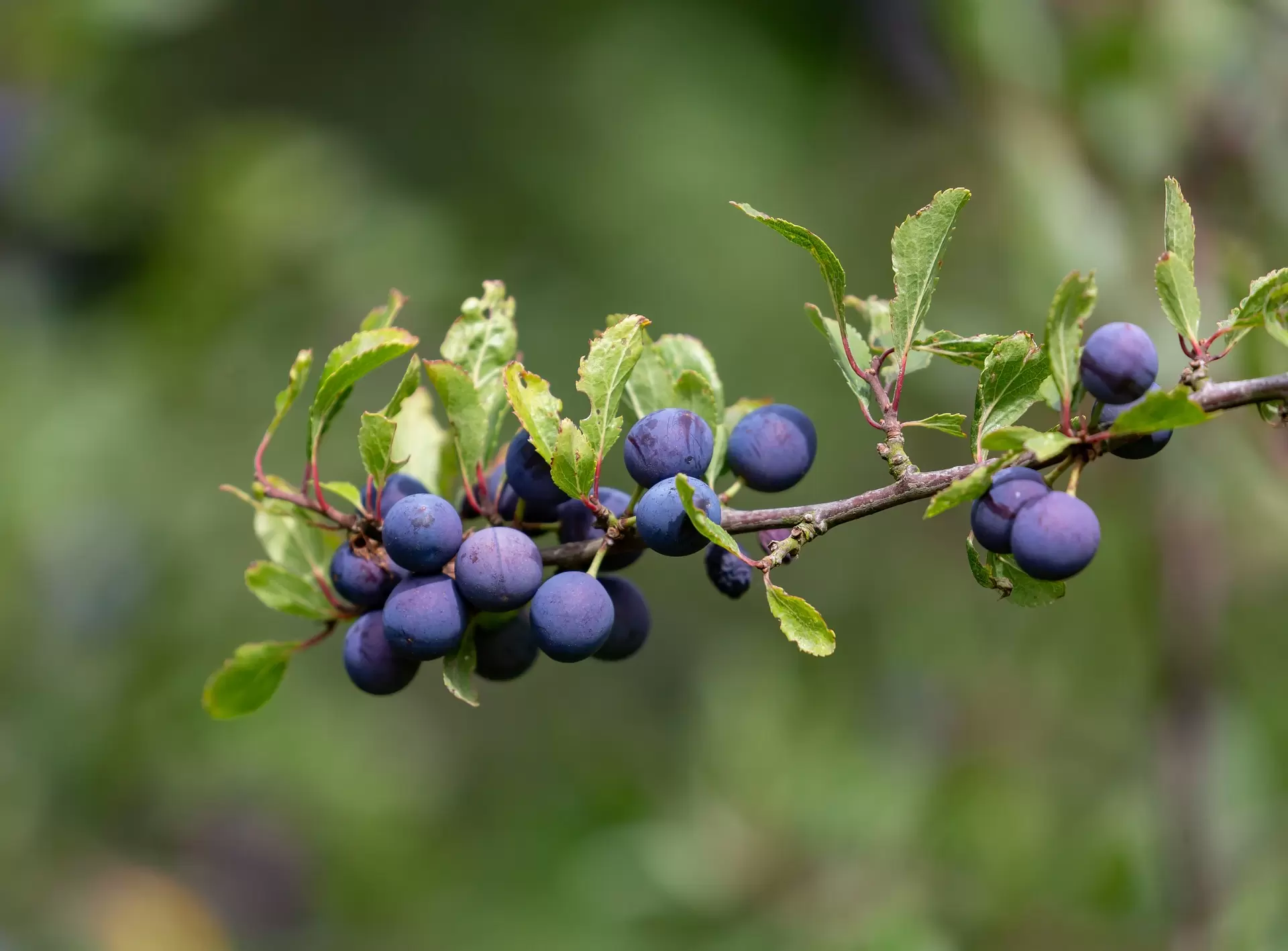



Damsons are a form of plum but are a hardier plant that will have a better success rate of cropping than a plum tree in the wrong growing conditions. Damsons, with their tart flavour, are more often used for cooking and wines than eaten fresh and raw.
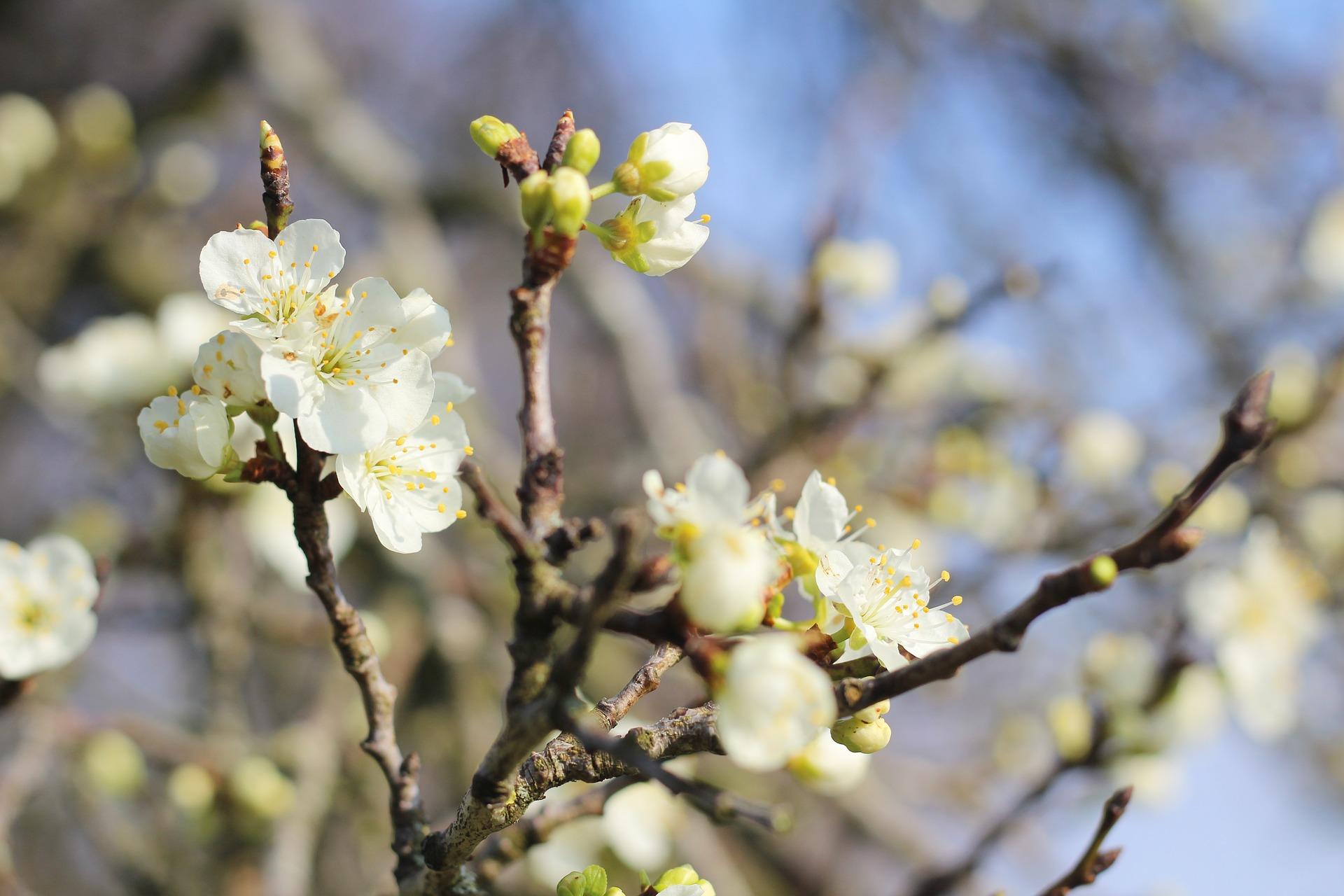
If your allotment is in the north, where the temperature remains unfavourable or in the north-west receiving way too much rain and you find most fruit trees unable to thrive, growing Damsons can be a good idea. Damsons have a hardiness rating of H6 and can survive temperatures between -20℃ and 15℃. Damson fruits are either blue-black or yellow with yellow-green flesh, while the trees bear pretty flowers during spring.
Damsons are beginner-friendly, as they take very little maintenance and reward with a bountiful harvest. It is also a great plant that attracts pollinators like bees, helping with plant reproduction and maintaining biodiversity.
If you are planning on growing Damsons in the UK and struggling to understand when to plant Damsons and the right time to pick the fruit, this guide is for you. Read on to learn more about how to grow Damsons.
Some popular rootstock variants include ‘Pixy’, ‘VVA-1’, ‘St Julian A’ and ‘Wavit’, semi-dwarfing variants that can be trained as a bush. ‘Brompton’ is a vigorous plant growing as a free-standing tree.
Some popular variants of Damsons include:
‘Blue violent’ damsons are a small, mid-season variety
‘Michaelmas’ are a late-season variety with sharp-tasting fruits
Bareroot dormant plants can be planted during winter to early spring and container-grown trees can be planted any time. The period from November to March is often considered the ideal time to plant plug plants.
You should avoid planting damsons in hot, dry conditions. Damson plants are well-suited to extreme cold and can even survive in regions receiving ample rainfall. However, you must ensure the soil doesn’t get waterlogged.
Are you interested in growing damsons in the UK? These tasty yet hardy variants are well-suited to the local weather and diverse soil conditions. Whether you are someone looking to grow damsons for the first time or someone looking to improve your produce, our community can offer the right support and advice.
Do you have growing-related questions? Sign up for our community today.
Do you want specific tips for growing peaches, pears and strawberries? Visit our Grow Your Own page for more such tips and advice.