

Your Privacy Matters
Our website uses cookies to improve your experience on our website.
Click here to read our privacy policy.
At Allotment Online, we understand that a successful plot requires strategic allotment planning coupled with a bit of luck with the weather. Success in cultivating an allotment planting plan hinges on time and research, right from selecting the right seeds to understanding the nuances of soil and sunlight.
If you’re not sure where to start, our community of like-minded gardeners can help you ace your allotment planning!
In our online gardening community, we share tips, tricks and all things sustainable living, so that fellow gardeners like yourself are well-equipped to make the most out of your allotment.
Whether you are a novice or a seasoned gardener, our community will help you grow, learn and connect with fellow garden enthusiasts so you reap maximum benefits for your vegetable garden planner.
Sign up to be a part of your community and share your successes!
The weather is a constant factor to consider as well as your location. Advice for any given month may depend on where you’re based in the UK – North or South, coastal or inland. Note where and when the plot gets the sun and shade so that you can position your greenhouse, shed, structures, crops and such like accordingly.
The most traditional layout of crops is in rows, some prefer sectioned squares and others like to build raised beds, which helps reduce the weeds. Some crops for example sweetcorn grow better in squares as a clump rather than a line in a row. When planning your layout do factor in pathways so that you can easily water your crops and tend to the beds. Some like to turf the pathways or put down gravel to avoid getting muddy. You can also chuck down a few stepping stones or paving slabs.
This may sound obvious but grow what you like to eat! You don’t want to be over-run with vegetables that you don’t even like or have no room to store. It’s nice to give away to friends and family but the aim of the game is to reap the rewards too. If you have too many varieties going on, it can be over-whelming and you need to strike the right balance with the whole growing your own thing being a learning curve. The months can become a jumble of jobs to do and researching until you naturally know what to expect. Don’t forget and lose sight of your allotment being something to enjoy and a hobby albeit hard work at times! The key is to keep it manageable and work for you. Start with easy staples such as potatoes. Root vegetables are another great one as you don’t have to harvest the whole crop at once but you can pull as you require them (within reason). You can expand your selection when you’re comfortable with what you’re doing and then maybe you will relish the challenge of growing more unusual and difficult to grow crops in time.
Planting seeds later than planned does not automatically ruin an allotment season, but it does change what can realistically be grown. If you’re sowing late, you’ll often need to focus on faster-maturing crops, implement better watering and plan flexibly around weather and daylight.
Managing an allotment with one weekly visit is achievable if you plan carefully, choose the right plants, and maintain a focused routine. Prioritising essential tasks such as harvesting, watering and basic upkeep while designing a practical layout should help you maintain steady growth. You may need to adjust your expectations to allow the plot to remain productive without frequent attention.
Effective allotment planning begins with understanding plot size and sunlight, followed by organising crop zones, creating accessible paths and using simple layout techniques to maximise space and yield. A structured yet flexible approach improves productivity, supports maintenance and allows adjustments as conditions change throughout the season.
Preparing an allotment plot in spring involves clearing manageable sections, improving soil quality, and establishing a practical layout before planting. Progress is gradual, with consistent effort and realistic planning proving more effective than attempting to complete the entire plot at once. Understanding the space and working in stages supports long-term usability and more reliable growing outcomes.
Pumpkins are a big part of Halloween traditions, with millions sold each year. This guide covers how to grow your own pumpkins, including selecting suitable varieties, planting in spring, preparing soil, and caring for crops through harvest. It also stresses sustainability by reusing seeds, cooking the flesh, and minimising waste after carving.
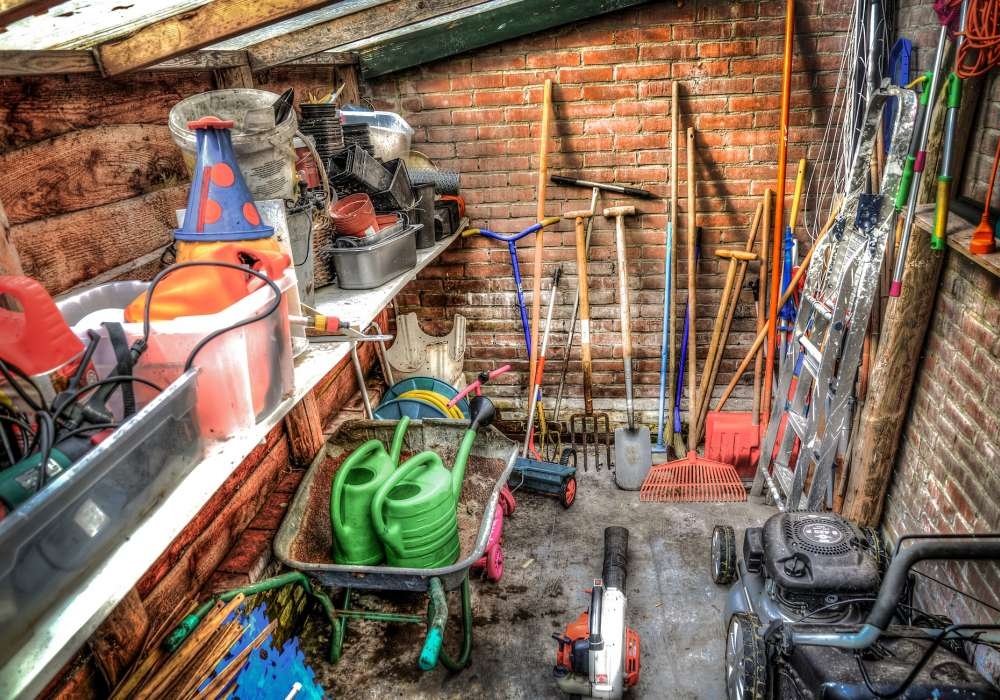
So, you have your land and now you need tools to do the job but before you get all those valuable tools you need somewhere to put them to keep them secure and out of the elements. Allotments often come with a shed already in place or you might be able to rent one if a shed becomes available on your allotment site. Keep your shed padlocked or secured when not in use, keep the wood preserved and check for leaks and holes and unwanted guests! Shelving and storage compartments are great for smaller items and seed storage. If your plot is away from home at an allotment your shed will become your little home away from home where you can keep everything you need including personal items for your comfort that you may find useful. There’s nothing more annoying than a planned day being interrupted! Here are some suggestions of our own:
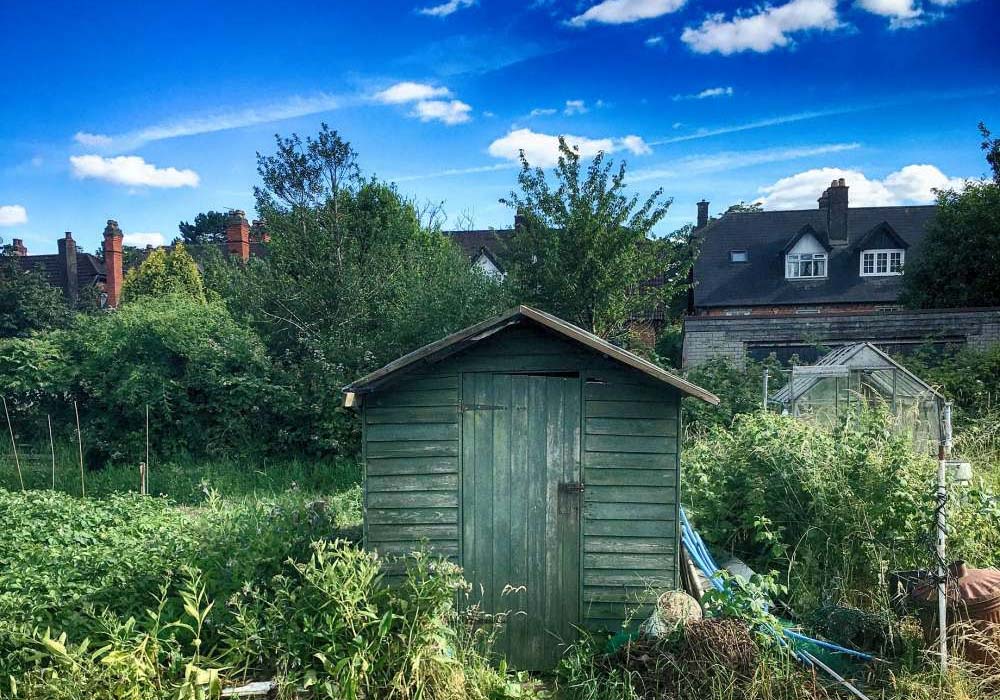
At Allotment Online, we’re not just growing vegetables, but also developing a supportive community.
Whatever your allotment garden design, patience and resilience is always key to success. The reward of growing your own vegetables is unmatched, but remember to enjoy and learn along the way!
Sign up to join our community today and start planning your allotment today with the knowledge and expertise of our community members.
Register to get started, or sign up to our newsletter for updates!
Planting seeds later than planned does not automatically ruin an allotment season, but it does change what can realistically be grown. If you’re sowing late, you’ll often need to focus on faster-maturing crops, implement better watering and plan flexibly around weather and daylight.
Managing an allotment with one weekly visit is achievable if you plan carefully, choose the right plants, and maintain a focused routine. Prioritising essential tasks such as harvesting, watering and basic upkeep while designing a practical layout should help you maintain steady growth. You may need to adjust your expectations to allow the plot to remain productive without frequent attention.
Effective allotment planning begins with understanding plot size and sunlight, followed by organising crop zones, creating accessible paths and using simple layout techniques to maximise space and yield. A structured yet flexible approach improves productivity, supports maintenance and allows adjustments as conditions change throughout the season.
Preparing an allotment plot in spring involves clearing manageable sections, improving soil quality, and establishing a practical layout before planting. Progress is gradual, with consistent effort and realistic planning proving more effective than attempting to complete the entire plot at once. Understanding the space and working in stages supports long-term usability and more reliable growing outcomes.
Pumpkins are a big part of Halloween traditions, with millions sold each year. This guide covers how to grow your own pumpkins, including selecting suitable varieties, planting in spring, preparing soil, and caring for crops through harvest. It also stresses sustainability by reusing seeds, cooking the flesh, and minimising waste after carving.